A Citywide All Nighter With a Serious Purpose
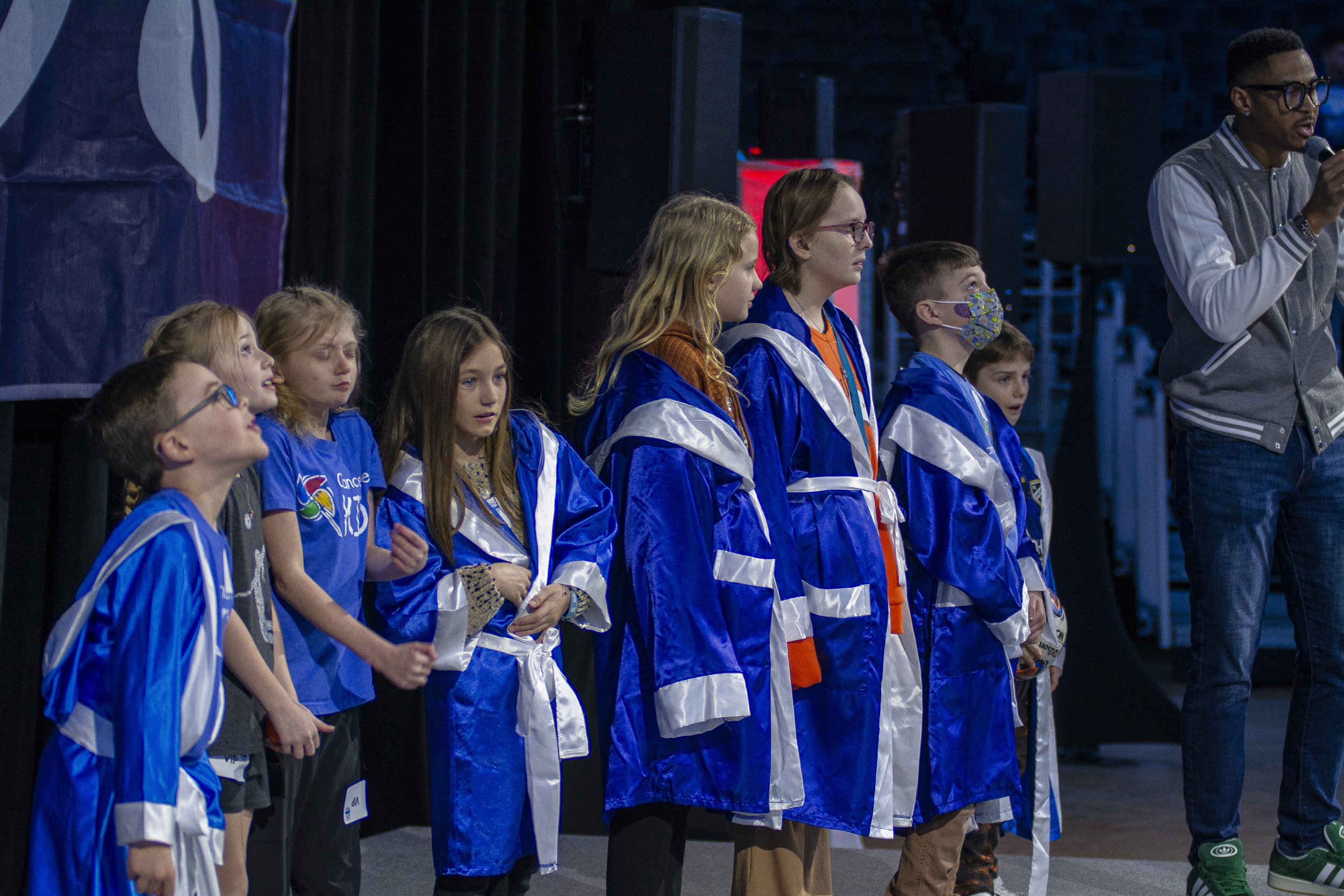
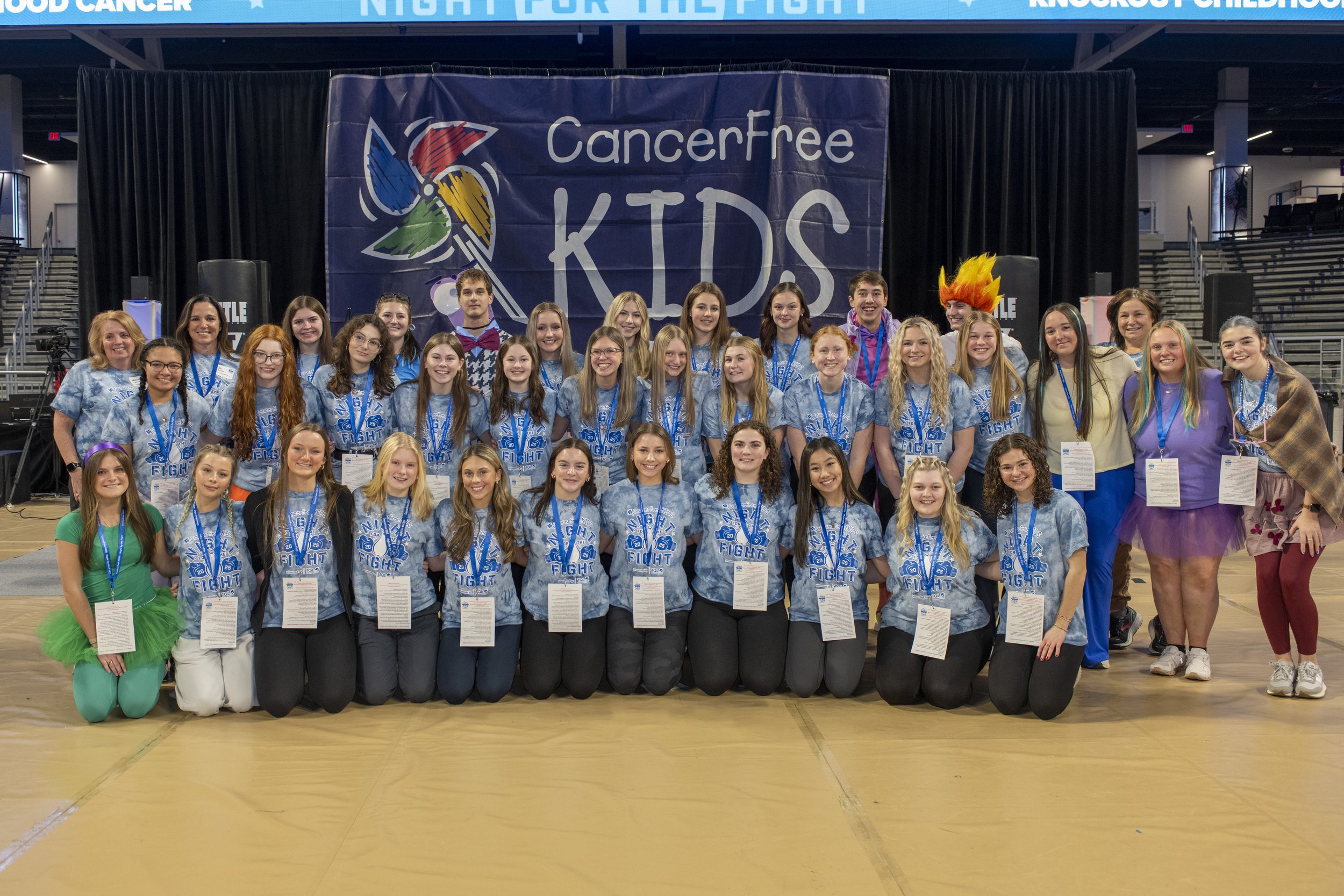
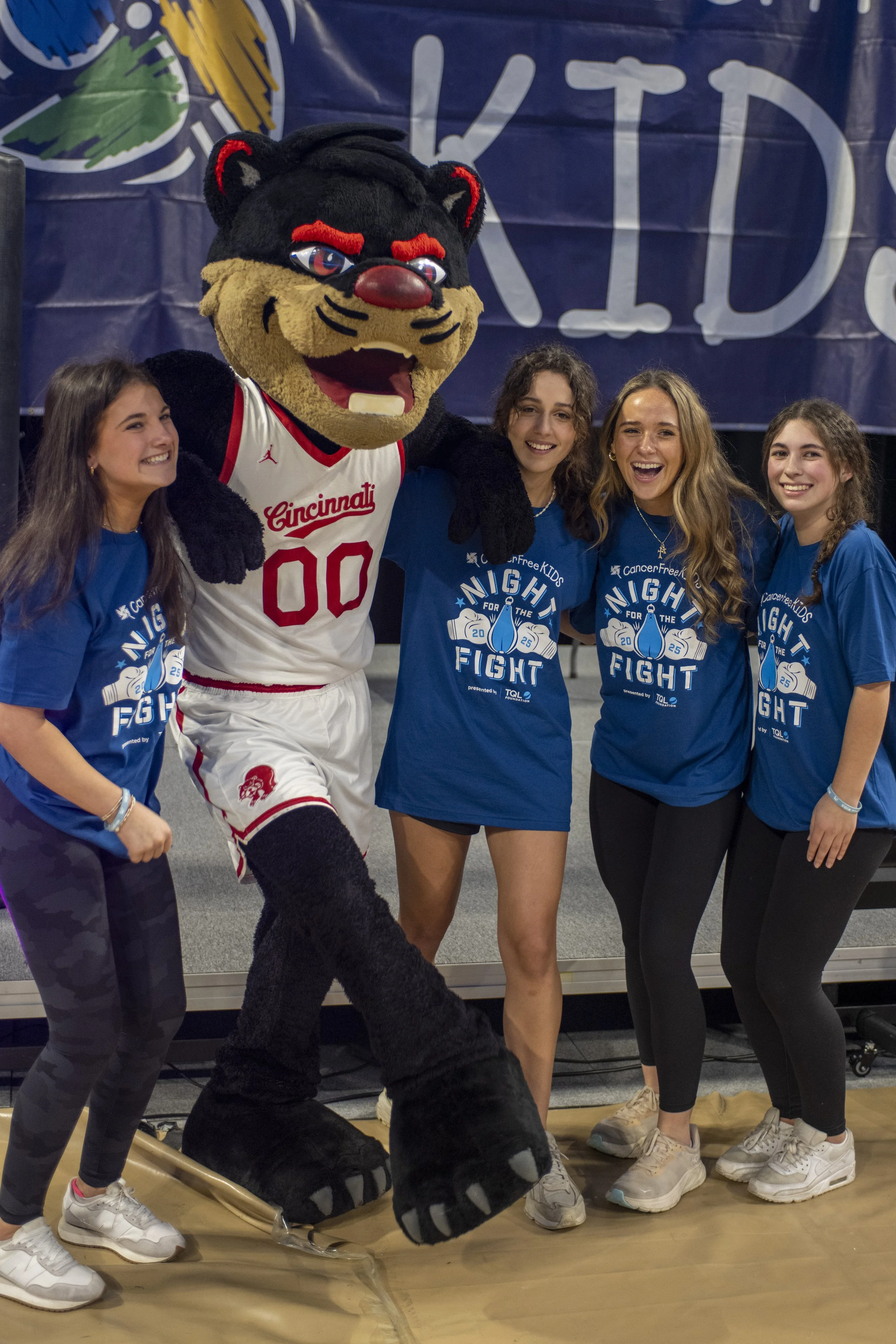
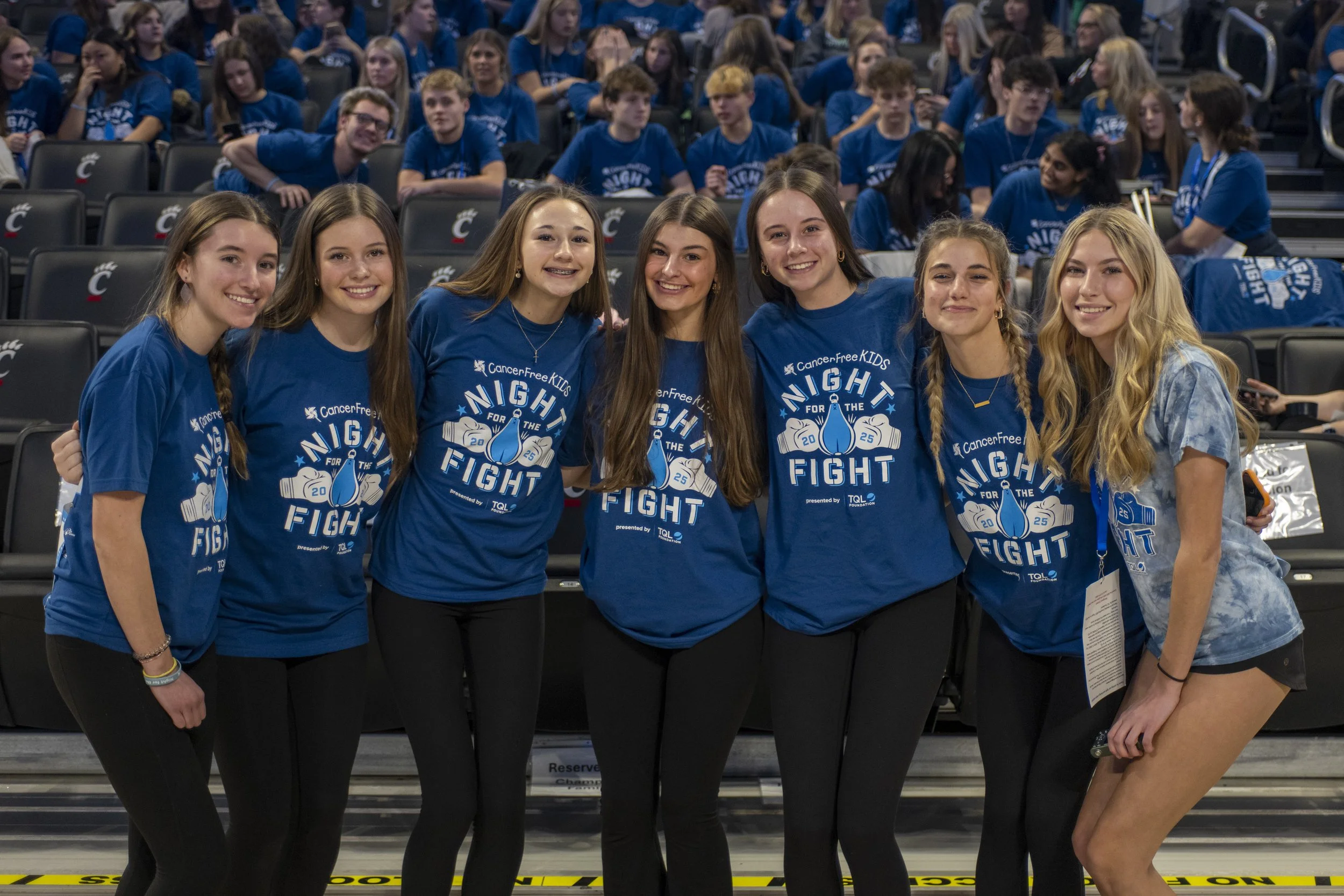
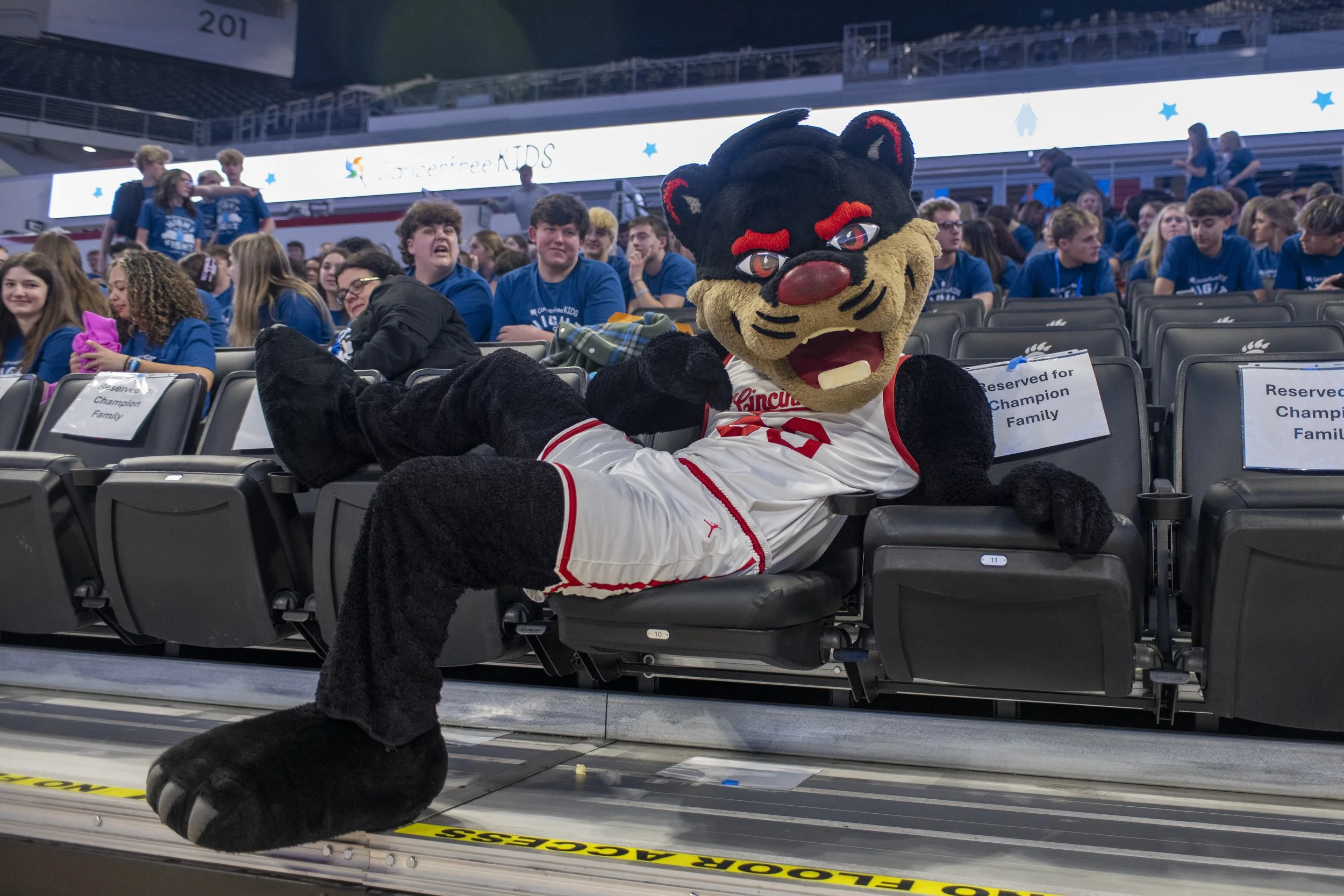
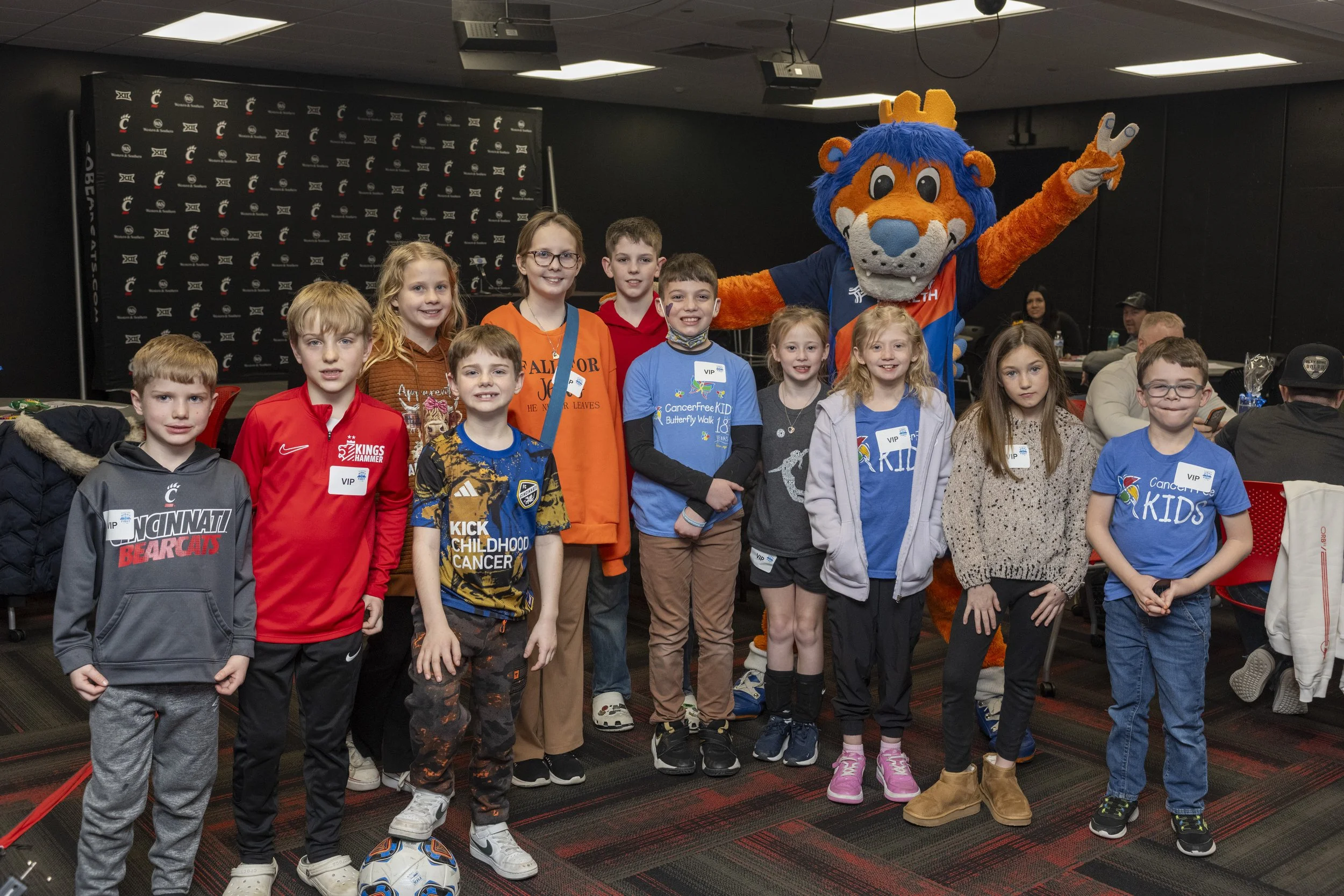
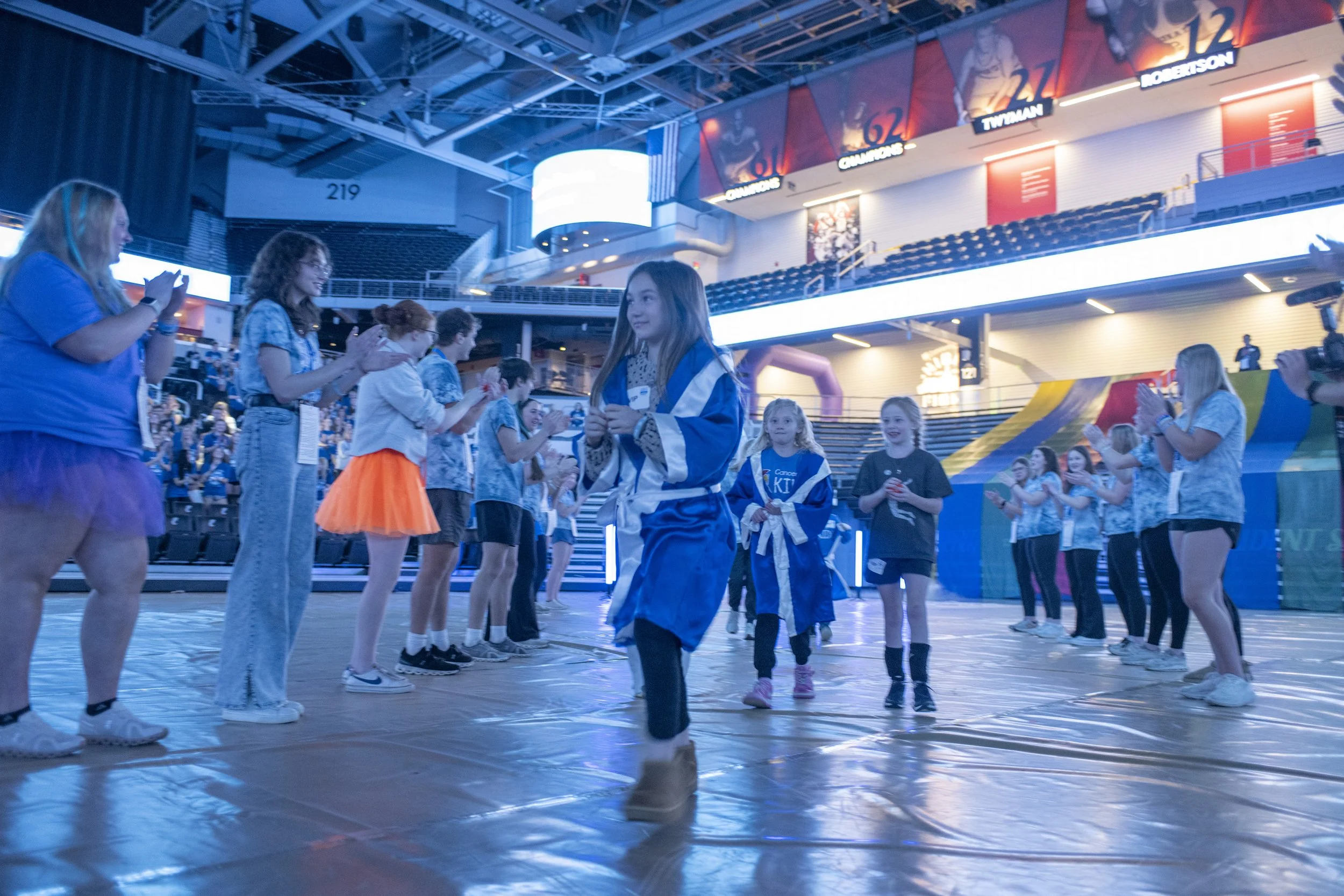
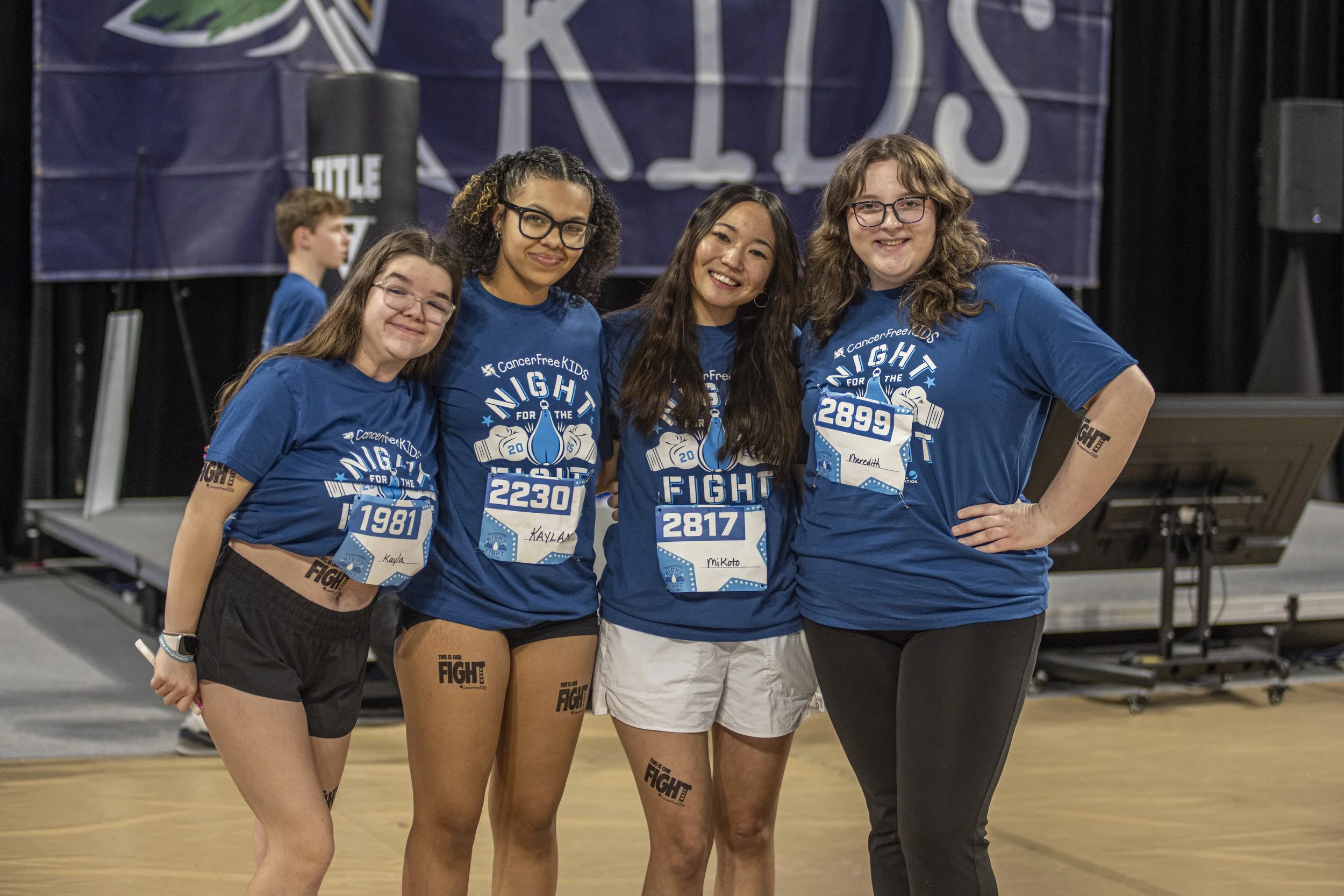
On Saturday, March 7, CancerFree KIDS will do something that sounds playful on the surface and quietly radical underneath. The organization will open the doors of Fifth Third Arena at the University of Cincinnati for an overnight, student-led fundraiser called Night for the Fight. From 7:00pm to 7:00am, more than 1,000 high school students from dozens of area schools are expected to show up, form teams, compete in games and challenges, listen to speakers, reflect together, and raise critical funds for pediatric cancer research with breakthrough potential.
That combination matters. High school energy plus real stakes creates a kind of civic force. You feel it in the scale of the event, the structure, and the ambition behind it. Night for the Fight has become one of CancerFree KIDS’ largest fundraisers of the year, and it has built a 14-year track record that proves this model works.
This is what community-powered research looks like when it is organized, measurable, and built to last.
The Most Important Detail Is Who Leads It
Night for the Fight is planned by students, for students. That is not a slogan. It is a governance choice that changes the entire tone of the event.
When teenagers lead, participation stops being a passive donation moment and turns into ownership. Teams recruit friends. Students practice the pitch. They tell the story in their own language. The event becomes part fundraiser, part rite of passage, part shared mission.
CancerFree KIDS also keeps the structure tight. Students participate on teams and must secure an adult chaperone to be present. That chaperone requirement does more than meet a safety standard. It gives the night credibility. It turns a big, loud overnight event into a disciplined, supervised experience that schools and families can trust.
The result is an all-night format that feels like a celebration while it produces real dollars for research.
Why all night?
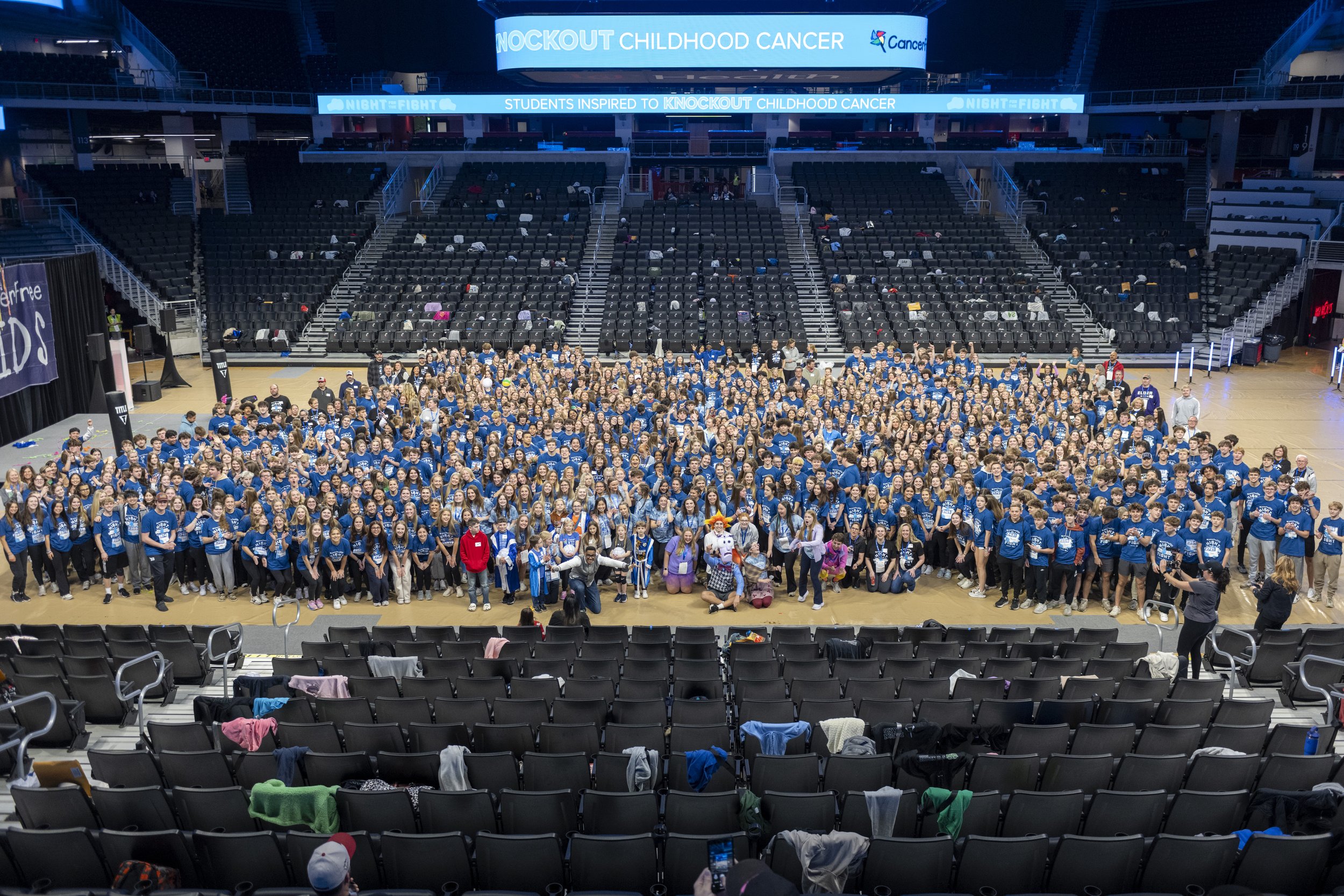
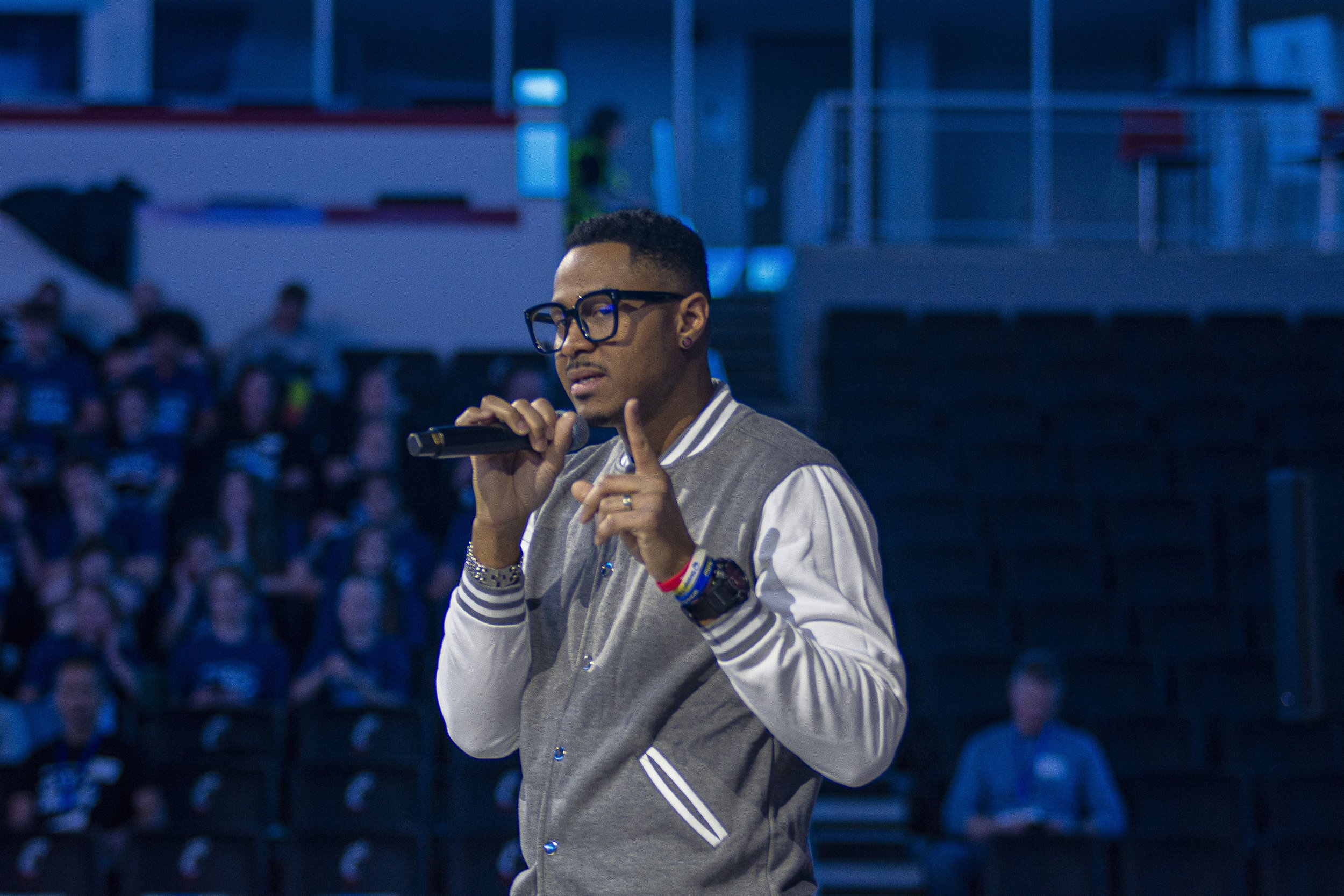
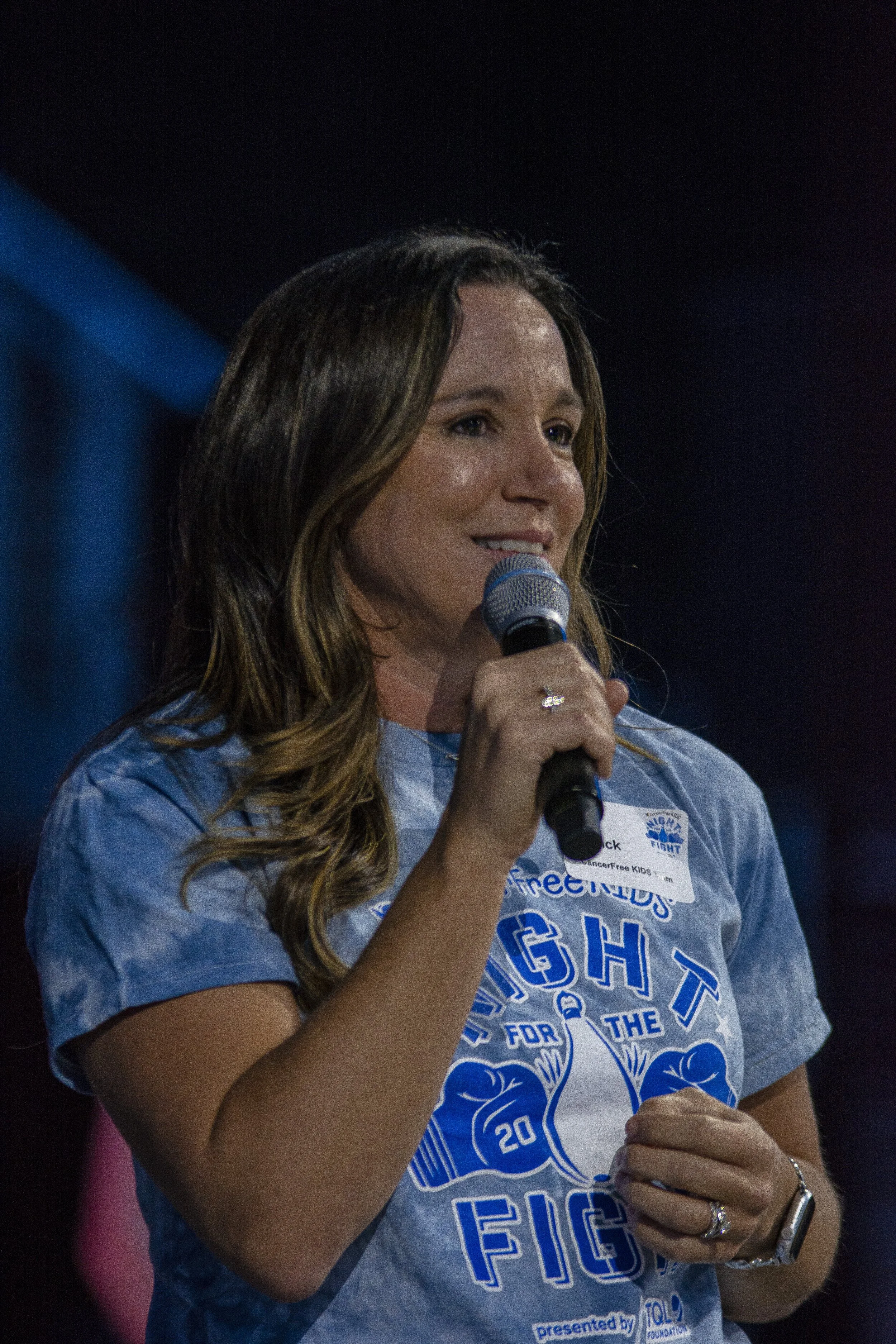
A typical fundraiser asks people to give time or money. This one asks for both, in a single, unforgettable block.
Twelve hours inside an arena creates a closed-loop experience. Students walk in together. They stay. They compete. They listen. They reflect. The cause becomes a shared memory rather than a line item. The fundraising becomes tied to identity, and identity is a powerful engine for repeat participation.
That is how you build momentum year over year. It is also how you build a pipeline of future donors, volunteers, advocates, and leaders who understand what pediatric cancer research actually requires.
Night for the Fight is a community training ground, built inside a fundraiser.
Early-Stage Research Funding
CancerFree KIDS exists to fund pediatric cancer research, especially early-stage projects that have strong promise and require initial support to get moving. This is the critical gap they focus on. Early-stage ideas can carry high potential, but without proof-of-concept work they often stall before they ever reach the level where larger research dollars become possible.
CancerFree KIDS is designed to push that first domino.
That mission frames everything else they do. Their events are not generic awareness campaigns. They are funding engines aimed at developing more effective and gentler treatments for children.
When the organization says “innovative childhood cancer research with breakthrough potential,” it is naming a strategy. Seed research. Prove a concept. Generate data. Create momentum that researchers can use to compete for larger follow-on support.
You can learn more about the event and the organization’s mission at cancerfreekids.org/nightforthefight.
More Than a Feel-Good Story
Night for the Fight has raised more than $3 million in its 14-year history. That is not a ceremonial statistic. That is direct fuel for research.
Even more telling is what happened after. Fifteen research grants named in honor of the event at Cincinnati Children’s Hospital Medical Center and Nationwide Children’s Hospital went on to receive more than $13.5 million in subsequent funding. Those projects led to eight scientific publications, three patents, and two clinical trials.
This is the chain that donors want to see and that journalists should take seriously.
A local community event can be measured by turnout, energy, and social buzz. This event can also be measured by research outputs. Subsequent funding. Publications. Patents. Clinical trials. Those are hard proof points in a space where hope alone is never enough.
Night for the Fight sits at the intersection of civic culture and scientific progress, and it shows receipts.
The Real Win
The overnight format makes for strong photos and strong stories, but the real consequences unfold in labs, research meetings, and clinical settings long after the last student heads home.
CancerFree KIDS funds “promising research initiatives” that may not exist without community support. That phrase carries weight. It means there is a set of ideas with clear potential that still live on the edge of being funded. It means innovation is often waiting for the first believer.
In practical terms, that believer is frequently a nonprofit with a disciplined grant strategy, the credibility to partner with major children’s hospitals, and the ability to raise dollars year after year.
That is what CancerFree KIDS has built, and Night for the Fight is one of the most visible expressions of it.
Presenting Sponsors Matter Here
Night for the Fight is presented by the TQL Foundation. Presenting sponsorships can sometimes feel like branding exercises. This one reads as capacity.
A presenting sponsor can help stabilize an event of this scale, deepen the production quality, and extend the reach into new schools and new networks. For an overnight event hosting 1,000 students, operational stability matters. So does momentum. So does confidence that the fundraiser will keep happening and keep growing.
Most importantly, sponsorship helps convert a strong local idea into a durable annual institution.
A Cincinnati Lesson Worth Exporting
Cincinnati has a long tradition of community institutions that punch above their weight. Night for the Fight fits that tradition because it combines local pride with practical results.
It is also a model other cities can learn from.
Student-led leadership creates authenticity. A structured overnight format creates immersion. A research-first mission creates clarity. Impact reporting creates credibility. Together, those pieces build an event that young people want to attend and adults feel confident supporting.
When you can generate millions in funding and point to follow-on dollars, publications, patents, and clinical trials, you are no longer talking about awareness as an end point. You are talking about measurable progress.
On March 7, 2026, the easy headline will be that more than 1,000 high school students stayed up all night for a cause. The better story is what their night represents.
It represents a city that trusts young people with real responsibility. It represents a nonprofit that treats fundraising as a pathway to scientific advancement. It represents research that moves faster because a community chose to pay for the first step.
And it represents a simple truth that should shape how we talk about pediatric cancer philanthropy.
When community energy is connected to a clear research mission, progress stops being abstract. It becomes funded work, measurable outcomes, and forward motion.
If you want the cleanest way to understand the event and get involved, start here: cancerfreekids.org/nightforthefight.