
Tikka’n a Chance
Indian cuisine has entered a new chapter in Cincinnati’s dining culture. What began as a niche category has developed into a meaningful culinary presence with expanding geographic reach, rising comfort among diners, and a maturing appreciation for spice, texture, and regional preparation. The surge in interest is not driven by a single restaurant or trend but by a constellation of kitchens that have put quality, consistency, and generosity at the center of their craft.
Three restaurants in particular illustrate this momentum: Adeep India, Amol India, and Grace Of India. Each occupies a different corner of Cincinnati’s food map and serves a different dining mode, yet together they reflect how Indian cuisine has woven itself into the city’s weekly dining choices rather than just its special occasion calendar.
Adeep India: Clifton’s North Indian Standard
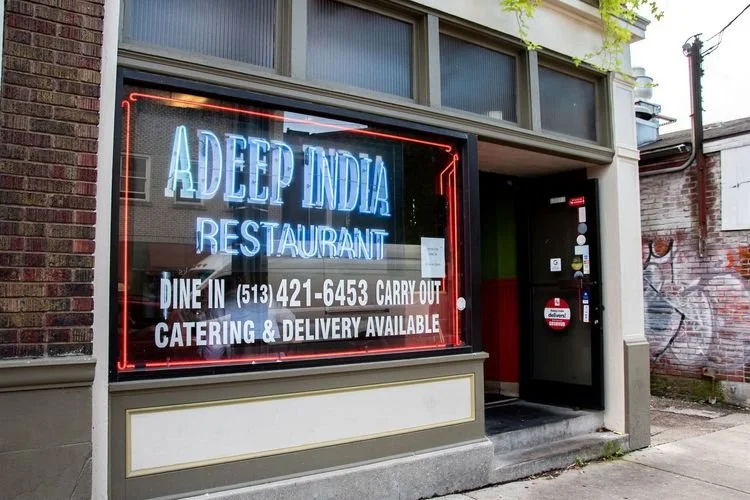
In Clifton, Adeep India operates with a casual footprint and an emphasis on North Indian classics. The restaurant’s online ordering platform offers a full spread of curries, tandoori items, biryanis, paneer dishes, and breads:
https://adeepindia.menufy.com
Chicken tikka masala anchors the menu and is widely associated with Adeep India’s growth in popularity. The preparation features a creamy tomato base, a balanced spice profile, and a consistency that holds up across dine-in and takeout orders. Paneer dishes such as saag paneer and paneer makhani give vegetarian diners a rich and satisfying option that does not feel secondary to the protein-based entrees. Chicken curry, lamb curry, and biryani dishes round out the core mains with generous portion sizes and well seasoned profiles.
Adeep India caters to a broad audience. Students and faculty from the University of Cincinnati frequent the restaurant, as do neighborhood residents who treat it as a dependable weeknight dinner destination. The restaurant has cultivated loyalty through value, flavor integrity, and an unpretentious dining environment that prioritizes food over design ornamentation.
Amol India: The Power of Carry-Out
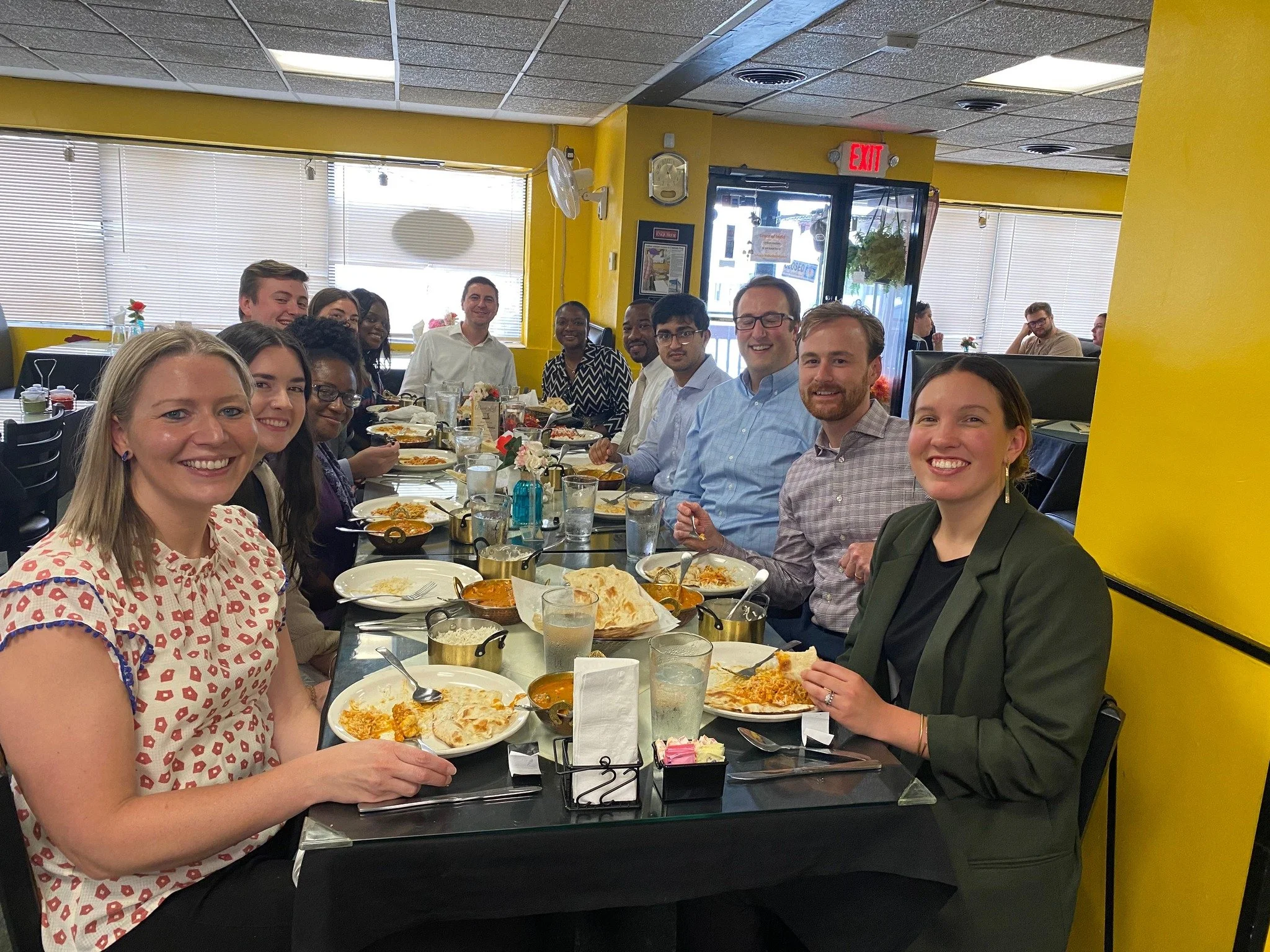
Across the river in Newport, Amol India illustrates another dimension of Cincinnati’s Indian cuisine expansion. Operating primarily as a carry-out and delivery hub, the restaurant has built its reputation on reliable execution and dishes that travel exceptionally well. The menu can be explored here:
https://www.amolindiacarryout.com
Chicken tikka masala, lamb rogan josh, goat curry, and dal makhani stand out as house staples. Shrimp and tandoori preparations add variety while maintaining a spice-first approach to flavor construction. Amol India also excels in vegetarian offerings, with aloo gobi, mutter paneer, chana masala, and vegetable biryani giving plant-based diners multiple paths to satisfaction.
The carry-out format has proven strategically important. Curries and rice hold heat and texture without degradation, making the restaurant a weeknight solution for customers seeking strong flavor without the price and time investment of a traditional sit-down meal. This approach has helped accelerate the normalization of Indian cuisine as a standard household meal rather than a special category reserved for adventurous palates.
Grace Of India: West Side Hospitality
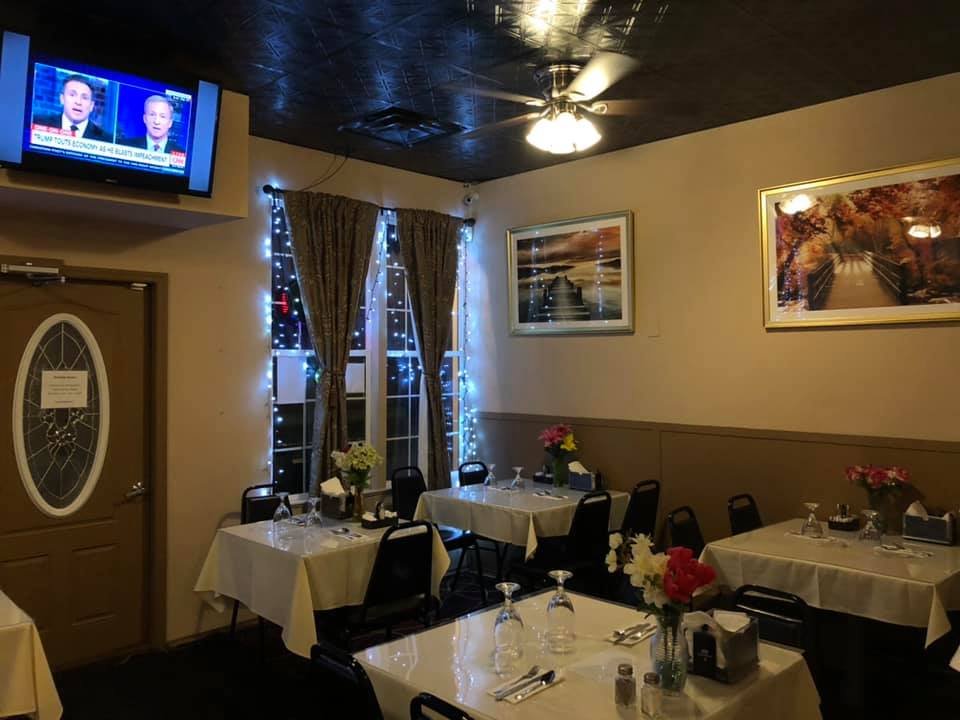
On the West Side, Grace Of India delivers a more structured sit-down experience. The restaurant’s website reflects a full-service model with an emphasis on hospitality and guidance for guests navigating the menu:
https://www.graceofindiaoh.com
Signature dishes include chicken makhani, chicken mango curry, malai kofta, and saag paneer. Kashmiri naan and garlic naan receive consistent praise for texture and seasoning, while kheer and other desserts offer satisfying conclusions for diners who choose a full sequence of courses.
Grace Of India demonstrates how service and hospitality can shape the adoption of global cuisines within a regional dining culture. Servers routinely guide guests through spice levels, protein choices, and vegetarian dishes. This tonal warmth creates an atmosphere that encourages repeat visits and strengthens the bridge between curiosity and comfort for diners new to Indian cuisine.
Building a New Culinary Vocabulary
The rise of Indian cuisine in Cincinnati reflects more than new restaurants. It reflects a shift in culinary vocabulary. Diners now speak comfortably about tikka masala, biryani, korma, paneer, and tandoori. Conversations about spice levels are now discussions of flavor rather than heat. Vegetarians benefit from a cuisine that treats plant-based dishes as central rather than supplemental. Portions are substantial, leftovers are common, and price-to-value ratios are strong across the three restaurants highlighted above.
The city’s Indian restaurants provide accessible points of entry for all levels of familiarity. Newcomers can start with creamy tomato-based dishes and naan. Experienced diners can explore goat, lamb, and more masala-forward preparations. Vegetarians and pescatarians find entire sections of the menu designed with them in mind. This inclusivity is a key factor in category adoption and long-term staying power.
A City Ready for More Spice
Cincinnati’s broader dining ecosystem has shown a growing appetite for global cuisines. Indian food fits naturally within this trajectory. The cuisine aligns with the city’s growing interest in fermentation, spice layering, bold flavors, and culinary storytelling. It also aligns with the rise of delivery and takeout platforms, since curries and rice dishes retain quality in transit.
The category has room for further expansion. Indo-Chinese fusion, modern South Indian preparations, thali formats, and fast-casual Indian concepts have not yet saturated the market. Cincinnati diners have proven willing to explore global flavor profiles once they are given consistent and approachable points of access. Indian cuisine is well positioned to benefit from that curiosity.
The Queen City’s Curry Future
Adeep India, Amol India, and Grace Of India reveal a food culture in motion. Adeep India excels in tradition and neighborhood loyalty. Amol India excels in convenience and weeknight carry-out culture. Grace Of India excels in hospitality and table service. Together these restaurants show that Indian cuisine in Cincinnati has reached a level of integration and maturity that signals long-term endurance rather than passing trend status.
The next evolution of the category will come from scale. More neighborhoods will gain access. More diners will adopt Indian cuisine as a default. More culinary professionals will find opportunities to introduce regional variation and new preparation styles. Cincinnati’s Indian food moment is a foundation rather than a finale.