
Mocktail Hour
January arrives with a kind of hush. The parties are over, the glitter has settled into the corners of the living room, and the body is left to tally the bill from the final weeks of December. For a growing number of people, this moment has become an invitation rather than a recovery. Dry January has become the way they take stock.
Dry January began in the United Kingdom in 2013 through the charity Alcohol Change UK. The campaign invited people to spend the first month of the year without alcohol. The idea was simple: remove the default behavior of drinking for long enough to observe how it influenced the rest of life. It caught on quickly and spread to other countries. Participation in the United States has risen in recent years, with surveys indicating that approximately one in three adults tried Dry January in 2025 and roughly seventy-two percent completed the month according to consumer research. Younger generations have taken to it more readily. More than a third of Gen Z participants completed the challenge in 2024 according to survey data.
The reasons vary. Some are curious about health benefits. Some are reckoning with financial habits after holiday spending. Others are searching for a new relationship with alcohol within a culture that treats drinking as a social lubricant and a personal hobby. The results are also varied. Participants frequently report better sleep, clearer thinking, steadier energy, improved skin, and a lighter emotional state. Research has indicated that even a short period of alcohol abstinence can positively affect blood pressure, cholesterol, liver function, and mood. A study conducted in 2016 found that six months after participating in Dry January, many individuals continued to drink less frequently and consumed fewer drinks when they did drink.
There is also a cultural shift underway. Polling in 2025 found that American adult drinkers are at their lowest share in nearly a century according to long-term Gallup trendlines. Non-alcoholic spirits, beer, and wine have become a formal beverage category. There are new brand families dedicated to flavor and complexity without ethanol. Mocktail menus are no longer afterthoughts. Bartenders have begun treating zero-proof drinks as creative challenges rather than consolation prizes.
In Cincinnati, this movement has expression and texture. It is visible in the bars and lounges that have chosen to take non-drinkers seriously. The city now offers places where a person can order a well-made drink without feeling like they are stepping to the margins of a night out.
Below are four places that illustrate the breadth of this new landscape.
Somerset Bar
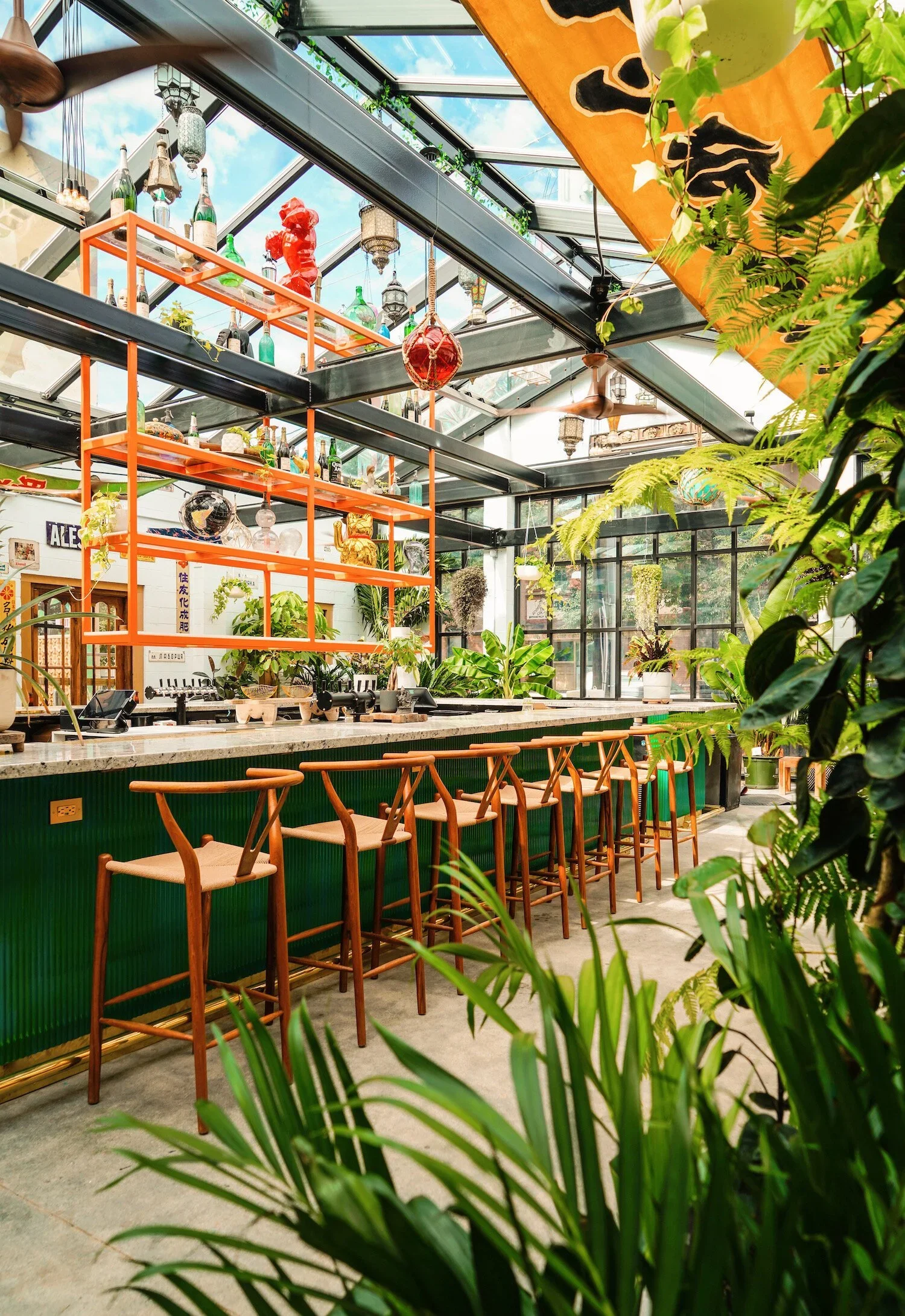
Somerset sits along McMicken Avenue in Over-the-Rhine, although that description barely captures the geography of the space. It feels more like an imaginatively curated transit lounge for travelers who never boarded their flights. The courtyard has greenery, lanterns, and scattered seating. The interior is broken into rooms that reference rail stations, colonial hotels, and a dream version of transit hubs from the early twentieth century.
The bar treats mocktails as part of the standard menu rather than an afterthought. Seasonal fruit, house-enhanced syrups, citrus, and herbal garnishes form the backbone of its spirit-free section. Think tropical inflections in the summer, spiced and warm profiles in winter, and clever uses of tea and bitters year-round. Somerset is special because it welcomes the non-drinker without ceremony. There is no awkwardness at the point of ordering and no social penalty for opting out of liquor.
Homemakers Bar
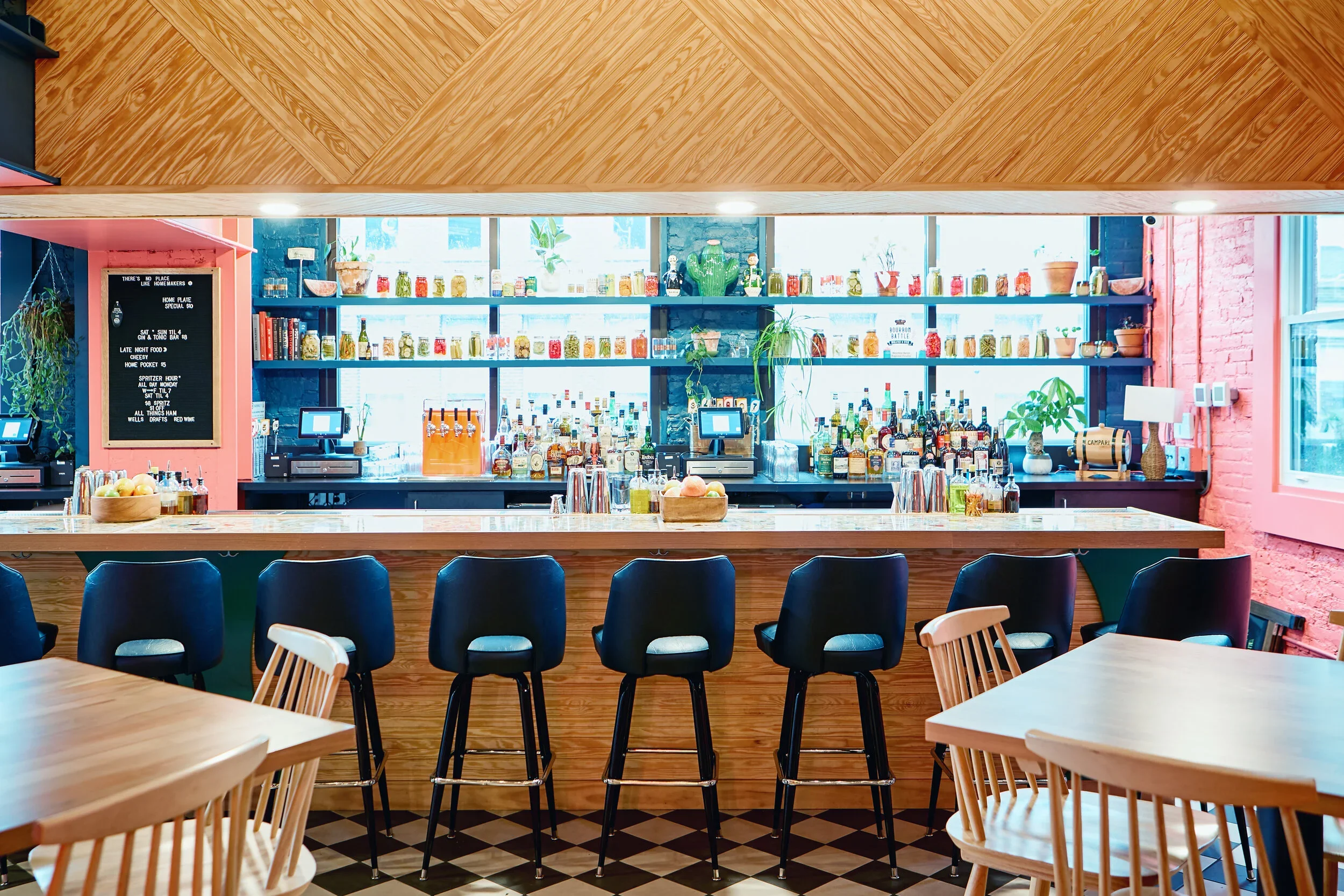
Homemakers lives on the edge of Findlay Market with a style that pulls from mid-century nostalgia. The furniture, glassware, and soundtrack feel pulled from a collection that belonged to an aunt who loved cocktail parties and knew the contents of her liquor cabinet as well as the layout of her kitchen. The bar is known for rotating seasonal menus and significant attention to spirit-free drinks.
The non-alcoholic selection tends to feature layered acidity, aromatics, and the kind of balance normally reserved for full-proof cocktails. Ingredients like clarified citrus, shrubs, sodas made in-house, infused honey, and florals show up in combinations that are bright but not sugary. Homemakers feels special because it treats non-drinking as a legitimate form of taste. There is a sense of inclusion that feels earned rather than performed.
Japp’s Since 1879
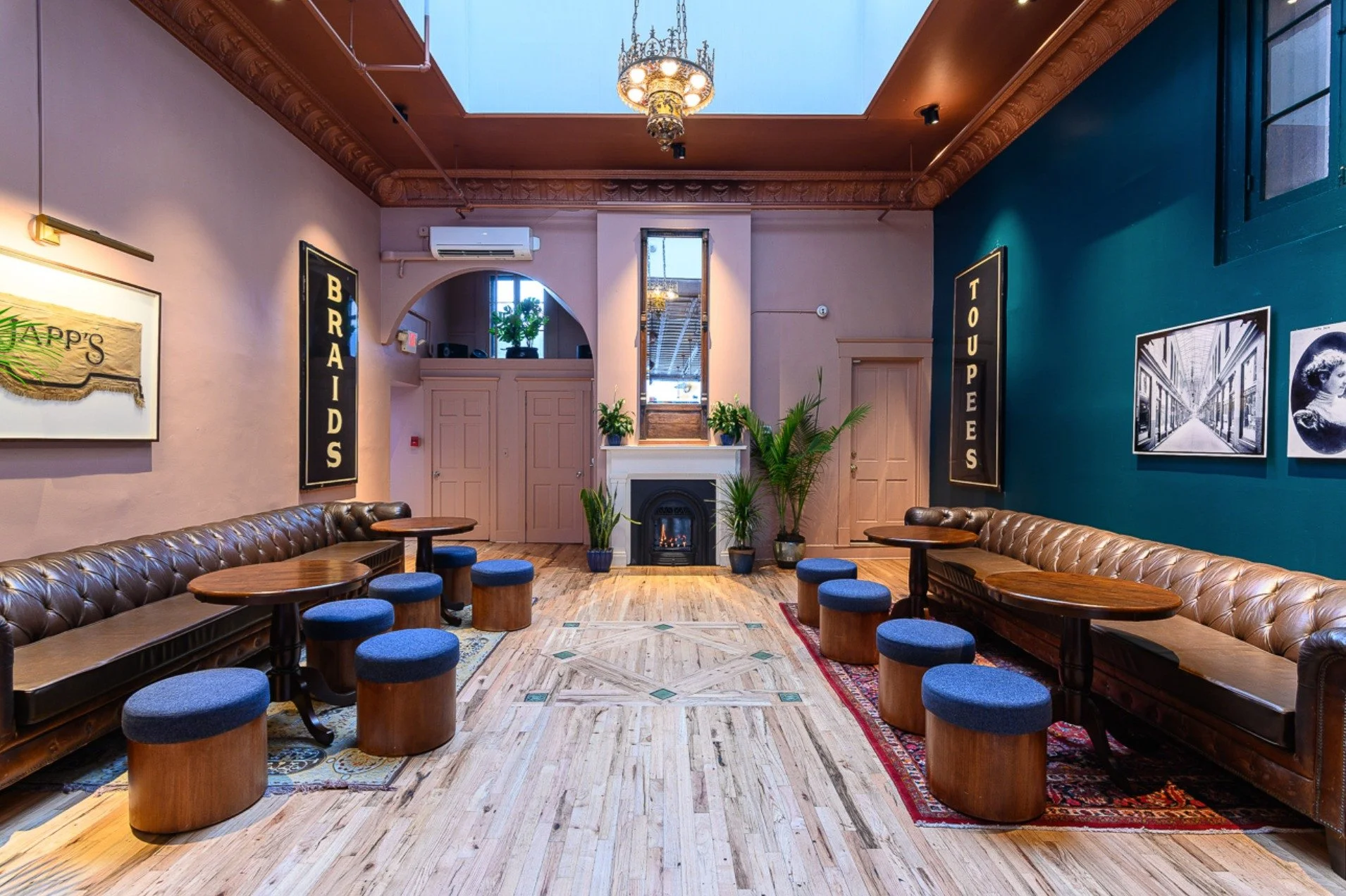
Japp’s is one of the oldest cocktail establishments in the city. The building has lived many lives and carries that history in its flooring, its ceilings, and its sense of presence. Stepping inside feels like entering a room that has witnessed multiple generations of Cincinnati nightlife. The bar pays attention to technique and presentation. Drinks arrive in proper glassware with proper garnishes.
The mocktail offering changes with the seasons. There is often a drink referred to as the “Nonny of the Day,” which functions as a rotating zero-proof house feature. These drinks lean into bitters, citrus, soda, and herbaceous components, allowing the profile to feel adult rather than infantilized. Japp’s is special for people participating in Dry January because it allows them to partake in the ritual architecture of a bar without feeling like they are opting into a lesser version of the night.
The Green Door (Covington, KY)
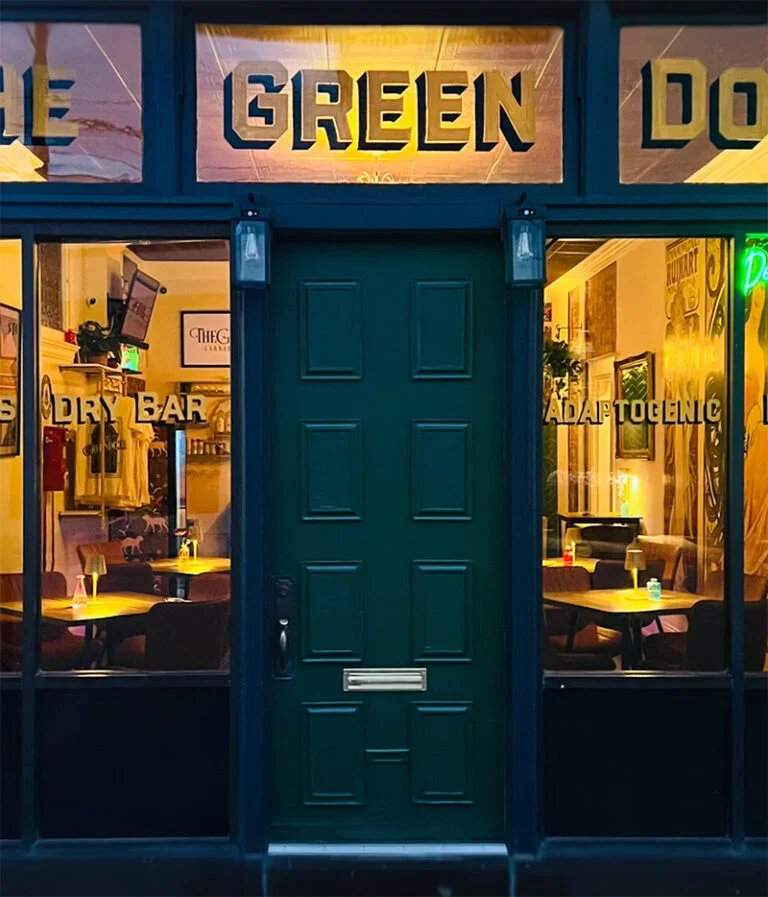
Across the river in Covington is The Green Door, which departs from the conventional bar model entirely. This is a non-alcoholic lounge that positions itself within the space of botanical beverages, adaptogens, THC-infused mocktails, and functional drinks. The space is quiet, intentionally designed, and feels more aligned with a listening room than a cocktail lounge.
The menu focuses on effect and outcome. Drinks are designed to relax, brighten, focus, or level the nervous system. The base ingredients come from herbal tinctures, non-alcoholic spirits, infused teas, and hemp-derived components. Instead of navigating how to feel while avoiding alcohol, visitors are encouraged to choose drinks based on how they want to feel. The Green Door is special because it imagines a third option between drinking and abstaining. It presents a model of nightlife that does not require alcohol to justify its existence.
Dry January is growing because it allows for reflection without judgment. It does not require a declaration of identity. It does not require a pledge of permanent sobriety. It simply offers a pause long enough for a person to ask questions that get ignored in the momentum of everyday drinking: What does alcohol do to my sleep. How do I feel without it. What do I reach for in its absence. What parts of my social life are built around it. The month ends and life continues, but many people reenter the rest of the year with better information about who they are.