
Knight Moves in the Queen City
Cincinnati has its share of headline attractions. The region fills stadiums for football, devours festival seasons, and produces serious cultural exports. There is another tradition that has been quietly building intellectual capital for more than two decades. Chess has become one of the most effective learning platforms in the city, and the proof takes center stage each spring at the Queen City Classic Chess Tournament.
The Queen City Classic returns to TQL Stadium on March 14, 2026 for its twenty fifth anniversary. Registration for the 2025 tournament sold out, which indicates surging participation and demand for competitive play across student age groups. The tournament is produced by the nonprofit Cris Collinsworth ProScan Fund, which also operates a sophisticated Chess in Schools Program throughout the region. The result is a civic flywheel for cognitive development, academic support, confidence building, and community participation that starts in classrooms and culminates in a packed stadium filled with young minds trying to calculate one move deeper than the board in front of them.
A Stadium for Strategy
The Queen City Classic is one of the nation’s most recognizable scholastic chess events. The venue choice is more than a novelty. TQL Stadium provides a competitive environment that mirrors elite sports settings. Families watch matches unfold on long tables that stretch across the concourse. Coaches and instructors funnel between rounds. Sponsors and special guests mingle across the space. Grandmasters offer insights and inspiration to players who have been studying openings and endgames during the school year.

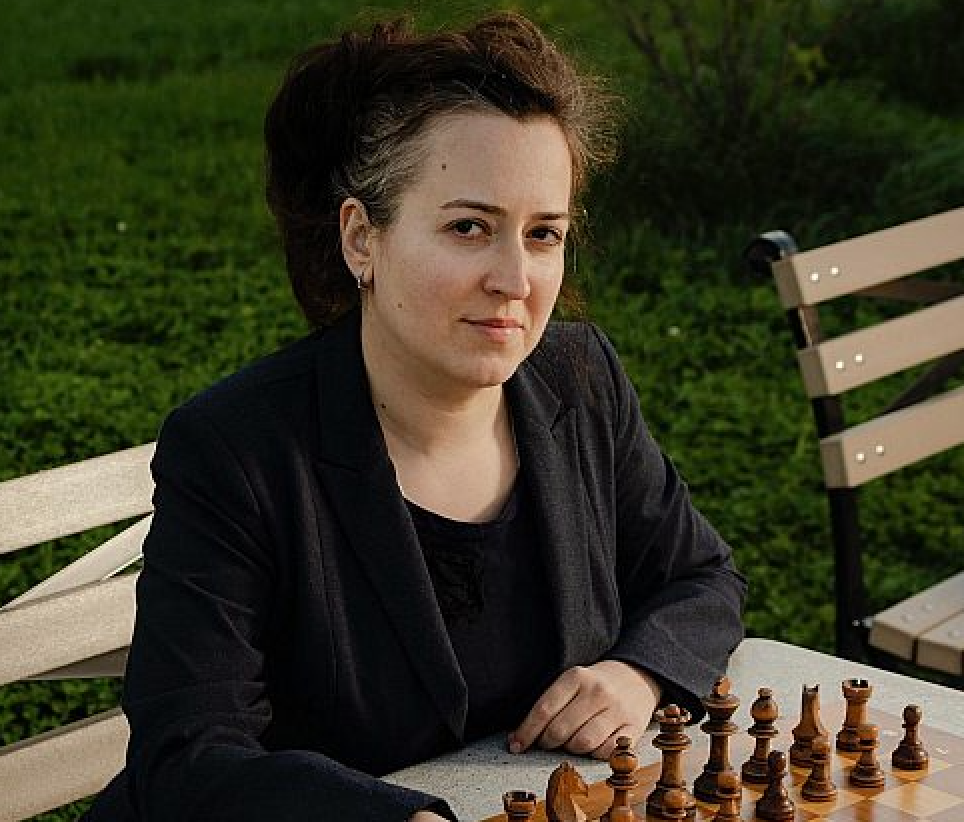
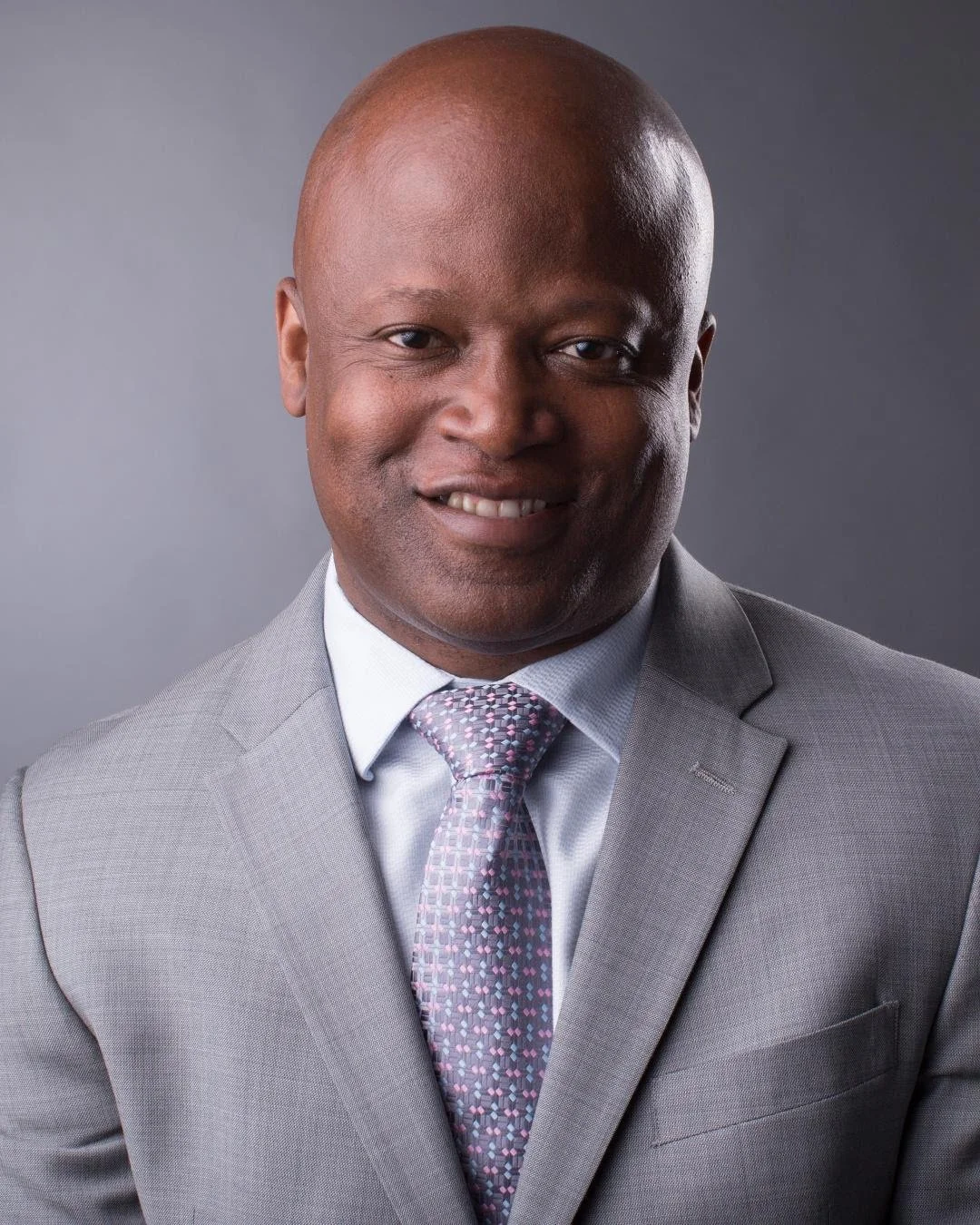
The 2026 edition features special guests including International Grandmasters Maurice Ashley, Irina Krush, and Gregory Kaidanov. These are individuals who have achieved the highest ranks in the game. Krush became the youngest U.S. Women’s Champion at age fourteen and has continued to win championships into adulthood. Kaidanov has won more than thirty international tournaments and has coached world champions. Ashley became the first African American Grandmaster and has built a distinguished career as a commentator and educator. Their presence signals to young competitors that chess is a field with real pathways for achievement, mentorship, and lifelong mastery.
The Academic Engine Behind the Tournament
The tournament is not an isolated spectacle. It is the culmination of an integrated educational system built by the Cris Collinsworth ProScan Fund’s Chess in Schools Program, launched in 2013. The program places trained chess instructors directly into local schools during school hours for structured instruction. More than sixty five schools participate across elementary, middle, and high school levels, and nearly thirty six hundred students receive weekly instruction. The program delivers roughly one hundred hours of direct chess education each week throughout the tri state region. Details are available through the program page at https://ccpf.org/programs/queen-city-classic-chess-in-schools-program/
The program is designed to enrich student development through concentration, patience, critical thinking, decision making, and sportsmanship. These are transferrable skills that map onto mathematics, reading comprehension, executive functioning, and social behavior. Teachers report that chess provides struggling students with a domain in which they can excel, which can spill over into other academic categories.
The program also invites broader participation through entry points such as “Bring Chess to Your School,” “Sponsor a School,” and “Become a Chess Instructor,” all accessible through the same program portal. This makes chess education scalable at the district level. Students can compete as individuals or as part of school teams. Team scoring aggregates the top three individual scores from each school in tournament play, which creates incentives for collective improvement and peer support.
The Cultural Value of Thinking Sports
Chess carries an interesting social profile in the Cincinnati region. It exists in the neighborhood of learning environments, sports, and arts education. The Queen City Classic has been quietly reshaping that terrain by placing chess inside stadiums rather than inside cafeterias. Parents sit along railings with the same intensity they bring to Saturday soccer matches. Teams huddle between rounds to study pairings. Grandmasters field questions from students who have only recently understood the value of tempo or the concept of opposition in pawn endings.
This ecosystem positions cognitive competition as a cultural asset. Chess rewards preparation, discipline, and strategic reasoning. It teaches students to manage pressure and uncertainty. It creates measurable improvement over time and allows students to set quantifiable goals by rating or title. It builds cross cultural community around a shared rule system. The city benefits when its children are fluent in these skills.
The Participation Curve is Accelerating
The sold out status of the 2025 registration page at https://ccpf.org/programs/queen-city-classic-chess-tournament/register-to-play/ signals real market demand. Families are actively seeking structured intellectual competition for their children. The Chess in Schools Program supplies the instructional pipeline. The tournament provides the stage, the social recognition, and the incentive structure.
This mirrors national trends in scholastic chess participation. Online platforms have fueled faster onboarding for new players and accelerated access to study materials, puzzles, and video instruction. Students who once learned in isolation now learn in community. Cincinnati’s model strengthens that community through physical competition, coached instruction, and reputational gravity from visiting grandmasters.
Sportsmanship and Tournament Culture
Chess tournaments require rules that ensure integrity, fairness, and competitive order. The Queen City Classic publishes conduct and competition rules through https://ccpf.org/programs/queen-city-classic-chess-tournament/event-details-and-rules/ These include requirements for punctuality, device restrictions, round management, and sportsmanship expectations. Tie break procedures follow widely accepted rating and scoring systems including Modified Median, Solkoff, Sonneborn Berger, and Cumulative scoring for individual results, and Total Individual Cumulative, Total Solkoff, Total Sonneborn Berger, and Total Kashdan for team results.
Students learn how to navigate competitive rigor inside a code of conduct. They learn how to win correctly and how to lose correctly. They learn how to manage tournament pace over multiple rounds and how to maintain composure under time controls. These are skills that are difficult to teach without an environment that simulates pressure and reward in the same setting.
Twenty Five Years of Cognitive Investment
The twenty fifth anniversary of the Queen City Classic marks more than a chronological milestone. It represents a generation of cognitive investment in Cincinnati’s youth. The city now has adults who once competed in the earliest tournaments and who now work in engineering, finance, technology, medicine, and academia. They speak about chess as a foundation for problem solving and pattern recognition. When a tournament can produce that kind of multi decade academic culture, it enters the same civic conversation as art academies, music programs, debate leagues, robotics competitions, and language immersion programs.
The Classic has become one of Cincinnati’s most durable educational assets. It has scale, continuity, elite mentorship, nonprofit infrastructure, and a clear strategy for long term participation growth. The region gains a healthier learning environment when thousands of students spend their weekends calculating variations rather than scrolling endlessly through distraction platforms.
The Future Looks Thoughtful
With registration demand increasing and school participation expanding, the Queen City Classic is positioned for another decade of growth. The Chess in Schools Program gives it year round reach. The tournament gives it spectacle and recognition. Cincinnati benefits from both.
If cities compete on talent, education, innovation, and culture, chess is a low cost, high yield instrument for building that capacity. The Queen City Classic has proven that intellectual sports can build community and feed the academic pipeline at the same time. The most strategic move the city can make is to continue supporting the ecosystem that made this possible.