A new daily ritual takes shape inside Cincinnati’s most architectural room
The next phase of Cincinnati’s specialty coffee evolution is unfolding inside a museum lobby. Urbana Cafe has stepped into the ground floor of the Contemporary Arts Center, bringing a daily ritual into a space defined by contemporary art, architecture, and public interaction. The move runs through Summer 2027 while redevelopment reshapes Urbana’s Atlas Building home, yet the implications extend well beyond a temporary address. This is a recalibration of how a cultural institution functions throughout the day and how a coffee brand can anchor that shift.
Since 2013, Urbana has built its identity around sourcing, roasting, and brewing with a clear emphasis on quality, traceability, and sustainability. That language reflects the expectations of specialty coffee, where credibility is tied to control across the supply chain and a direct relationship to the product from origin to cup. Urbana’s focus on ethical partnerships and responsible sourcing places it within a segment of operators that treat procurement as a foundational discipline, not a supporting message. Roasting completes that system, shaping flavor profiles that remain consistent across locations while allowing for precision and craft at the bar.
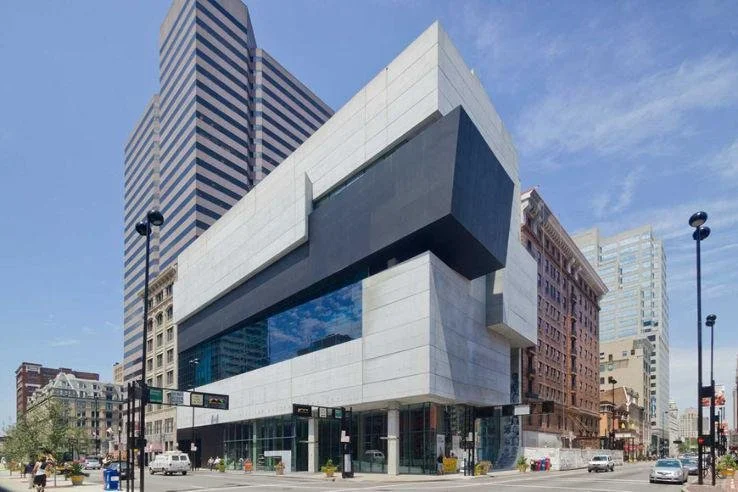
Inside CAC, that discipline meets a space already designed for movement, curiosity, and layered experience. The Lois & Richard Rosenthal Center for Contemporary Art, designed by Zaha Hadid, has long functioned as a destination for exhibitions and education, welcoming roughly 45,000 visitors annually and engaging more than 14,000 participants through programming. Urbana introduces a different type of engagement into that environment, one rooted in frequency. Coffee operates on repetition and habit, while museum visits often rely on intent and planning. Bringing those behaviors together creates a continuous flow of activity that reshapes how the building is used.
That shift is reinforced through aligned hours and programming. Urbana operates seven days a week beginning early in the morning, while CAC has expanded gallery access across more days and into evening hours. The result is a space that no longer peaks at isolated moments. It maintains a steady rhythm from morning through night, accommodating commuters, casual visitors, families, and event-driven crowds within the same footprint. A cup of coffee becomes a point of entry that can lead in any direction, from a quick stop to a longer engagement with exhibitions or programming.
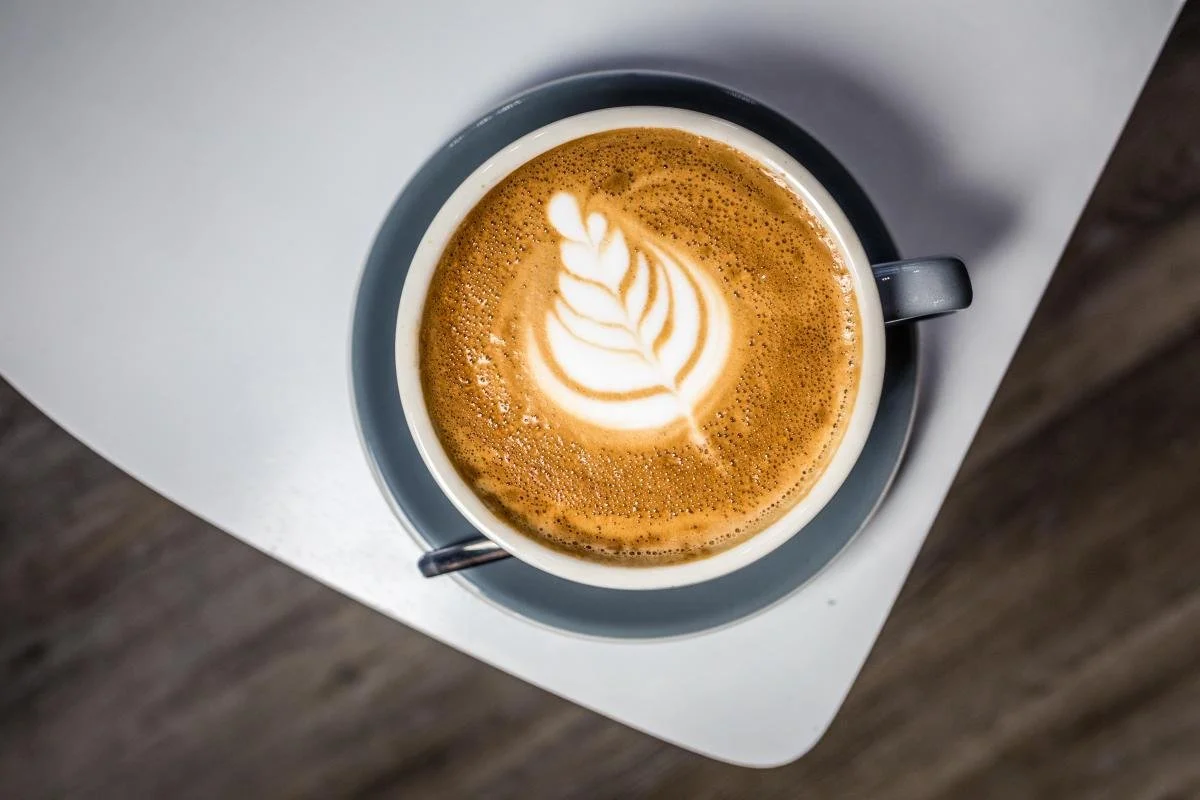
The opening week programming illustrates how this model functions in practice. CAC’s Family Festival returns alongside the reopening of Soft Bones by Garrett Goben, bringing hands-on experiences into the space for younger audiences. Market Bleu extends the lobby into the evening with local crafts and fine art, while a latte art competition highlights the technical and visual side of coffee culture. These are not isolated activations. They are components of a daily and nightly cycle that positions the lobby as a platform for ongoing use rather than occasional events.
Urbana’s relocation is also tied to a broader development story unfolding downtown. The Atlas Building is being redeveloped into residential apartments by Urban Sites, contributing to increased density and a growing residential base in the urban core. By moving into CAC, Urbana maintains uninterrupted service while remaining within its existing geographic footprint. Customers retain access to the brand, and the café gains exposure to new audiences moving through the museum. This continuity is critical in specialty coffee, where consistency and familiarity drive repeat behavior.
The partnership introduces a feedback loop between daily consumption and cultural engagement. CAC members receive benefits at Urbana, creating an incentive to move between the café and the galleries. Visitors who enter for coffee encounter exhibitions and programming without needing a separate decision to attend. The space begins to function as a civic connector, where art, conversation, and routine overlap in a way that feels integrated into daily life.
This model reflects a broader shift in both coffee and cultural institutions. Cafés increasingly operate as infrastructure within cities, supporting work, meetings, and informal gathering. Museums are expanding their role beyond exhibition spaces into environments that invite ongoing presence. When these two systems align, they create a hybrid space that supports both consistency and discovery.
Cincinnati’s coffee landscape has developed steadily over the past decade, with Urbana as one of the brands shaping that trajectory. Its move into CAC adds a new dimension to that growth, demonstrating how specialty coffee can integrate into civic and cultural frameworks. At the same time, CAC extends its identity as a space that supports dialogue and access, reinforcing its role within the city as more than a destination tied to specific exhibitions.
The timeline through Summer 2027 allows this partnership to function as a sustained model rather than a short-term experiment. Foot traffic patterns, repeat visitation, and audience composition will all provide indicators of how effectively the space adapts to this new structure. The variables are aligned in a way that invites close observation. A specialty coffee operator with a defined philosophy, a museum with architectural and cultural significance, and a downtown environment undergoing transformation are now operating within a shared system.
Urbana Cafe’s presence inside CAC brings together craft, design, and community within a single, continuously active environment. The café offers a familiar ritual that anchors the day, while the museum provides a shifting landscape of ideas and experiences. The interaction between the two creates a space that feels both consistent and open-ended, shaped by the people who move through it from morning to evening.